
There’s a moment in every big human leap where it stops being an idea and starts becoming inevitable.
For space exploration, that moment is happening right now.
NASA has officially cleared the path for Artemis II, a mission that will send humans around the Moon for the first time in over 50 years. Not robots. Not probes. People.
Not someday. Soon.
We’re Going Back, But Not the Way We Did Before


Photo Credits: NASA / Orion Program / Artemis Campaign
The last time humans traveled to the Moon was during the Apollo era. That was a different world. Different technology. Different expectations.
Artemis II is not a repeat.
It’s a rebuild.
This mission will use NASA’s Space Launch System (SLS), the most powerful rocket ever built, paired with the Orion spacecraft, designed for deep space travel, not just low Earth orbit.
Instead of landing, Artemis II will perform a lunar flyby, carrying astronauts around the Moon and back to Earth. Think of it as the proving ground. The dress rehearsal before humanity steps onto the surface again with Artemis III.
What Actually Changed, and Why It Matters
This isn’t just about getting there. It’s about staying.
The Artemis program is designed to:
-
Build a sustainable human presence near the Moon
-
Test long-duration deep space systems
-
Prepare for future missions to Mars
Apollo proved we could go.
Artemis is about proving we can keep going.
That shift changes everything.
The Crew That Will Circle the Moon


Photo Credits: NASA
Artemis II will carry a crew of four astronauts, selected not just for technical skill, but for their ability to operate in deep space conditions.
This mission is historic for another reason.
It reflects a broader, more inclusive vision of exploration. A reminder that the next chapter of spaceflight belongs to more than just a handful of test pilots.
These astronauts won’t just orbit the Moon. They’ll test navigation systems, life support, communication delays, and human endurance in a place where Earth is no longer the center of everything.
The Rocket That Changes the Scale of Everything


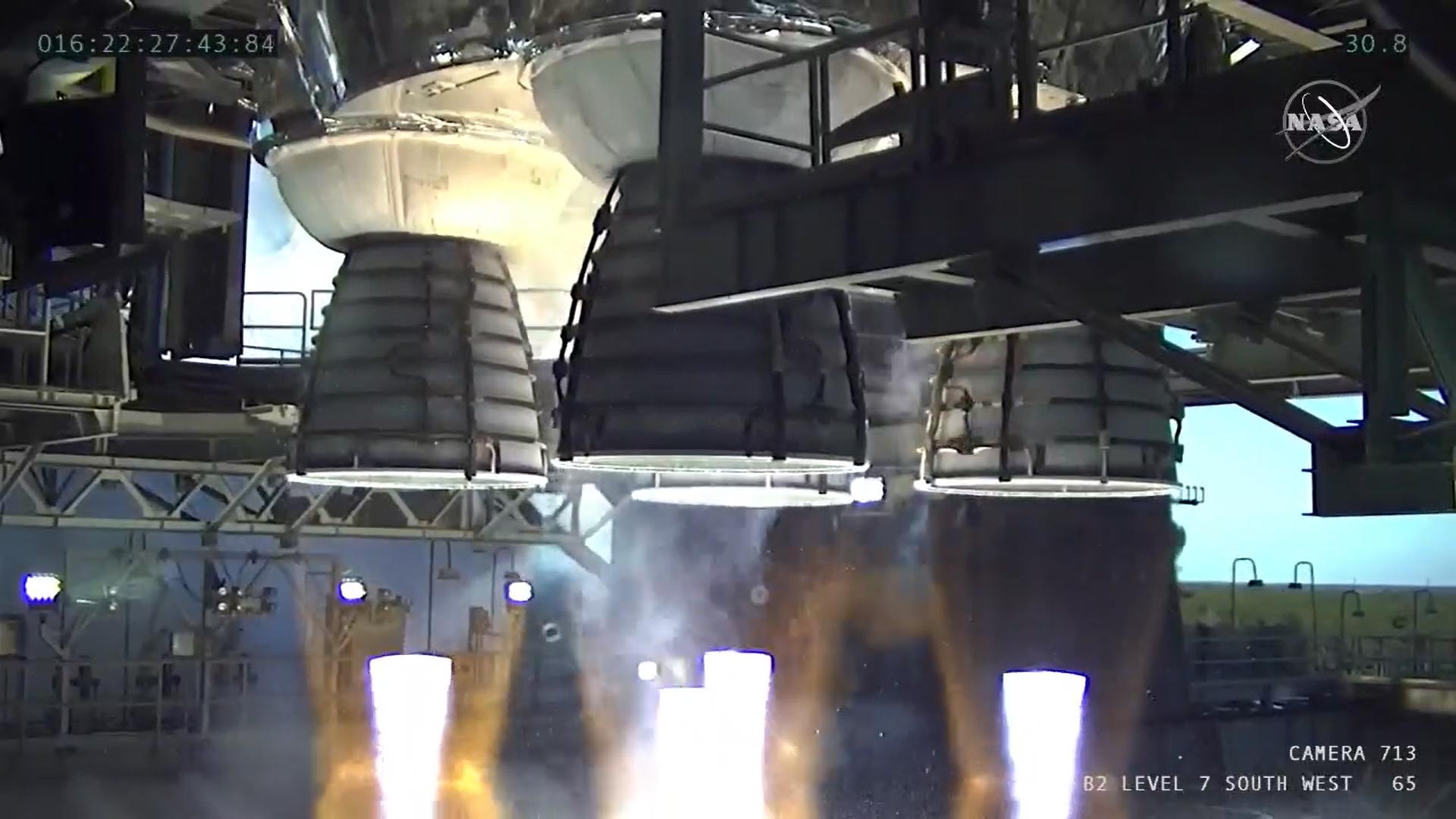
Photo Credits: NASA
The Space Launch System is not subtle.
It is built to do one thing. Move massive payloads beyond Earth’s orbit.
At full thrust, SLS produces more power than the Saturn V rockets that powered Apollo. That alone tells you something about the scale of what’s coming.
This isn’t nostalgia engineering. It’s forward momentum with heavier tools.
Why This Moment Feels Different
There’s a quiet shift happening in how we think about space.
It’s no longer:
“Can we go?”
It’s:
“What are we building next?”
Artemis II sits right in the middle of that transition.
-
Private companies are launching regularly
-
International partnerships are expanding
-
Technology is moving faster than the old space race timelines
And now, humans are about to leave Earth orbit again.
That hasn’t happened since 1972.
FAQ: Artemis II Mission Explained
What is Artemis II?
Artemis II is NASA’s first crewed mission in the Artemis program. It will send astronauts on a journey around the Moon and safely return them to Earth.
When will Artemis II launch?
NASA is currently targeting a launch window in the near future, pending final system readiness and safety checks.
Will Artemis II land on the Moon?
No. Artemis II is a flyby mission. It will orbit the Moon but not land. The first landing is planned for Artemis III.
How is Artemis different from Apollo?
Artemis focuses on long-term sustainability, modern technology, and preparing for missions beyond the Moon, including Mars.
Why is Artemis II important?
It marks the first time in over 50 years that humans will travel beyond low Earth orbit, making it a critical step in deep space exploration.
The Moment Before the Next Giant Leap
Every mission like this lives in two timelines.
There’s the technical one, checklists, systems, numbers, precision.
And then there’s the human one.
The moment when a rocket lifts off and everyone watching realizes we are doing something that used to belong only to imagination.
Artemis II is that moment.
Not the finish line.
Not even the peak.
Just the moment where humanity looks up again and says,
“Let’s go.”
About Epic Shit

Epic Shit is a collection of practical guides for modern life.
No hacks. No hustle. No pretending life is simpler than it is.
Everything here is built around systems that hold up when motivation fades, plans change, and real constraints show up. If something helps you make fewer unnecessary decisions, travel with less stress, use technology more intentionally, or finish what you start, then it belongs here.
Explore more guides across Life, Travel, Technology, and Creativity.
Epic Shit is built on the idea that good systems matter more than motivation. When life gets loud, plans change, and attention is stretched thin, practical guidance becomes more valuable than perfect advice. Every guide here is designed to reduce friction, support intentional decisions, and help people finish what they start, in travel, technology, creativity, and everyday life.